
· 5 min read
How We Let an Agent Touch Your Inbox Without Losing Trust
A product deep-dive on the permission, preview, and rollback design that makes an AI email agent safe to actually act — not just suggest.

A product deep-dive on the permission, preview, and rollback design that makes an AI email agent safe to actually act — not just suggest.

A field-tested breakdown of which inbox tasks AI agents handle reliably today, and where human review still isn't optional.

A field guide to separating agents that actually finish work from the reasoning-superhero hype — and the boring, bounded jobs they quietly win at.

Most scheduling agents fail because they treat the calendar as slots to fill instead of constraints to reason about. Here's what real calendar reasoning requires.

Treat every agent action as untrusted by default. Here's how to build permission boundaries around inbox, files, and calendar instead of handing out blanket access.

A single-task AI agent and a goal-directed agentic system are not the same thing. Here's the capability boundary, and what each is actually good for.

Single-turn benchmarks miss what matters. Here's a practical eval harness for agents that move data across email, docs, sheets, and calendar.

A practical guide to what AI scheduling agents actually need — timezone handling, conflict resolution, and intent inference — and where today's automations break.

A step-by-step guide to building a custom email agent that reads, labels, drafts replies, and schedules follow-ups using Tamaton's unified context.

A technical look at how Tamaton models multi-party scheduling as a constraint satisfaction problem to coordinate meetings across AI agents and humans.

A technical guide to converting messy email into accurate calendar events: entity extraction, temporal reasoning, and conflict resolution that actually holds up.
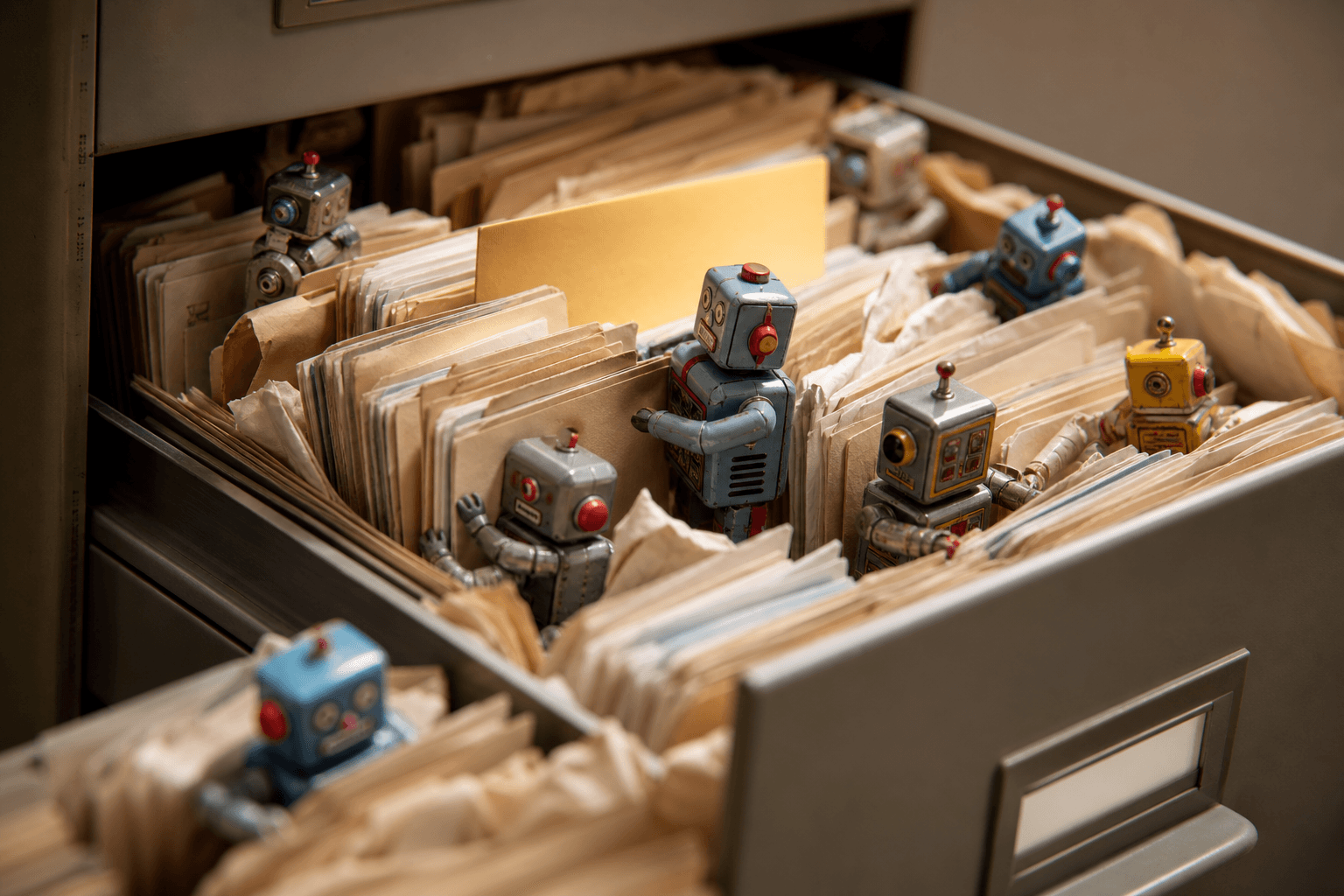
How LLM context window limitations create compounding inefficiencies across email, documents, and calendars — and what to do about it.
Get started
Claim your address before someone else does — free to start, with an AI-native inbox built in.